Surgical Treatments
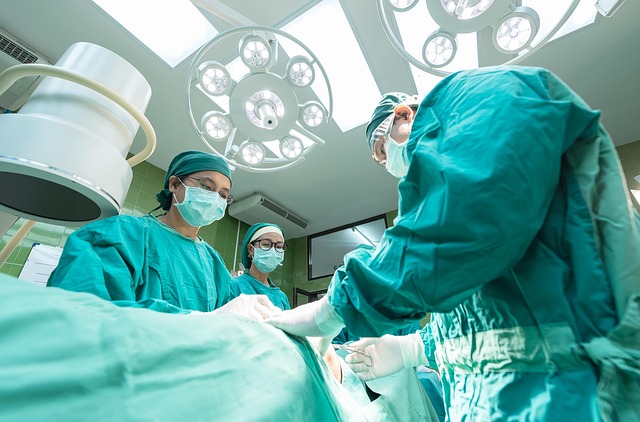
Biopsy, Excision, Light/Laser and Mohs Surgery
Every year when you have your full body skin exam performed by your dermatologist, they are examining all moles and abnormalities of your skin. If they find something that they deem suspicious, or can be categorized by the ABCDE's of melanoma, they will biopsy the area. A biopsy is a superficial sample excised and sent for pathology. If the sample comes back benign, you can either leave it but if it returns with concerns of skin cancer it will be excised. Basal cell carcinomas (most common) and some squamous cells can be removed by your dermatologist, however melanomas require a special excision known as Mohs. This is where the area is excised to ensure all cancerous cells are removed. This is done by excising the area and reviewing under a microscope until the sample viewed shows no remaining cancer cells. Until all borders of the mole removed show healthy skin.
Liquid nitrogen (LN2) is also a surgical treatment provided for surface level conditions. Conditions that a dermatologist would treat with liquid nitrogen are verrucae (warts) and actinic keratosis. Let's talk about actinic keratosis. It is a patchy, scaly, precancerous area that is typically caused by sun damage. Incoming public service announcement from every dermatologist worldwide, wear sunscreen! Everyday. All day. Cloudy weather? Sunscreen! Okay, back to it. Liquid nitrogen therapy is extreme cold, -321 degrees, used to precisely destroy tissue causing it to blister, peel and fall off. While this sounds extreme, it leaves minimal to no scarring and only a stinging or slight burn feeling during the treatment.